 0
0
 0
0
Exotic pets have gained growing attention among animal lovers looking for companionship beyond traditional cats and dogs. From reptiles and birds to small mammals, exotic animals offer unique personalities, behaviors, and care experiences that appeal to curious and dedicated owners. However, owning an exotic pet is a significant responsibility that requires research, preparation, and long-term commitment. These animals often have specialized dietary, environmental, and medical needs that differ greatly from common household pets. Legal restrictions, ethical considerations, and availability of veterinary care are also important factors to evaluate before making a decision. Understanding the nature of exotic animals helps potential owners determine whether they can provide the proper care and environment required. This guide explores different exotic animals that people commonly keep as pets, highlighting what makes them unique and what responsible ownership truly involves.
Reptiles as Exotic Pets: Snakes, Lizards, and Turtles
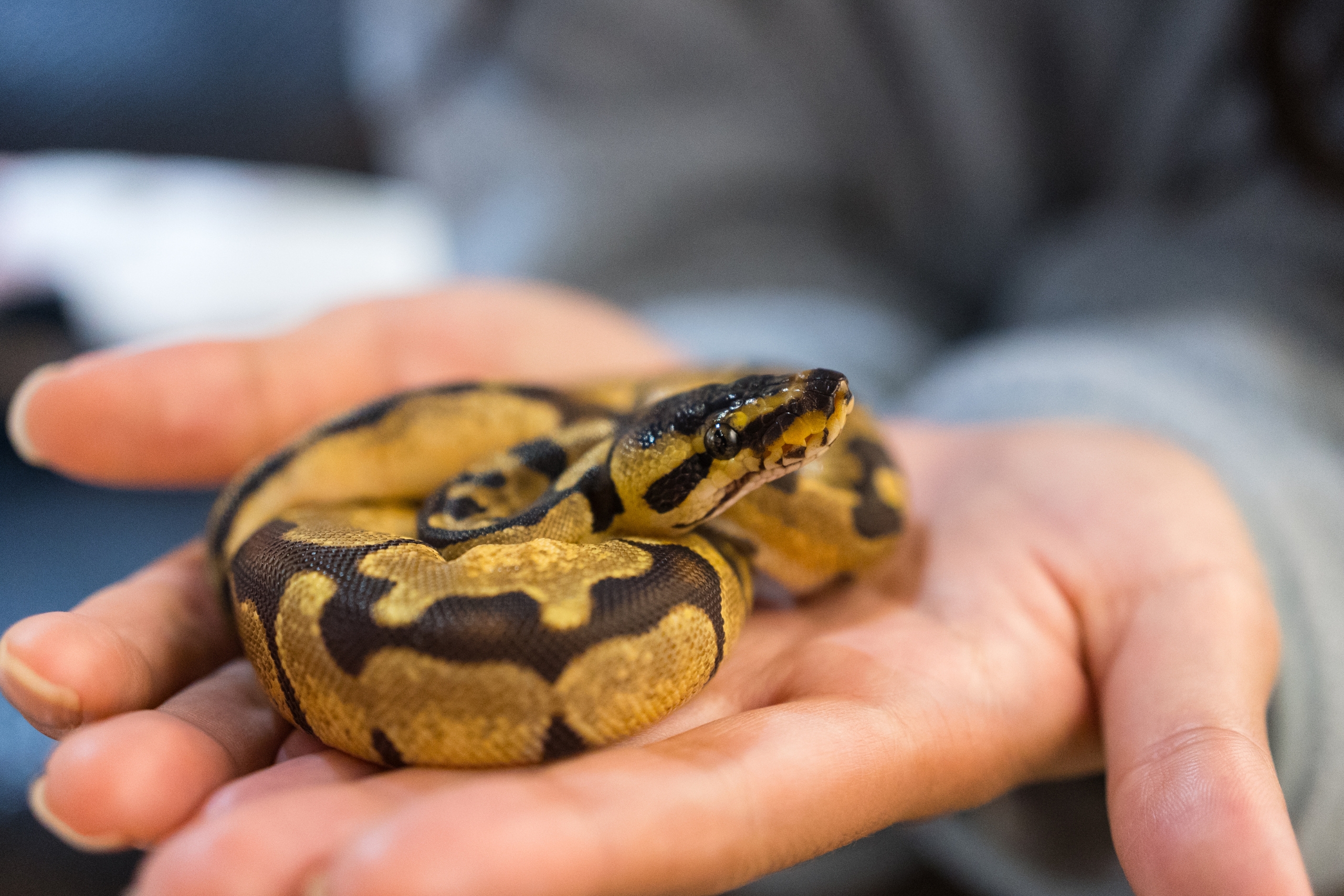
Reptiles are among the most popular exotic pets due to their fascinating behaviors and relatively quiet nature. Snakes such as corn snakes and ball pythons are often recommended for beginners because of their manageable size and calm temperament. Lizards like bearded dragons and leopard geckos are also common choices, known for their docile behavior and interactive tendencies. Turtles and tortoises attract owners who appreciate long-lived companions with distinct personalities.
Caring for reptiles requires precise environmental control. Temperature gradients, humidity levels, and UV lighting must be carefully maintained to support digestion, immunity, and overall health. Diets vary widely depending on species, ranging from insects and vegetables to frozen rodents. Improper care can lead to serious health issues, making education essential.
These animals fall under responsible exotic pet ownership practices, where preparation and consistency are key. Reptiles are not low-maintenance pets, but for dedicated owners, they offer a rewarding and educational experience. Their unique appearance and behavior make them captivating companions when cared for correctly.
Exotic Birds Known for Intelligence and Social Bonds
Exotic birds are admired for their intelligence, vocal abilities, and strong social bonds with humans. Species such as parrots, cockatiels, and macaws are known for their ability to mimic sounds, recognize routines, and form deep emotional connections. These birds thrive on interaction and mental stimulation, making them ideal for owners who can dedicate daily time to engagement.
Bird care goes beyond feeding and cage cleaning. Spacious enclosures, varied diets including fruits and seeds, and regular out-of-cage exercise are essential. Social neglect can lead to behavioral issues such as feather plucking or excessive screaming. Additionally, many exotic birds have long lifespans, sometimes exceeding several decades.
As part of advanced pet care for exotic species, bird ownership requires patience and commitment. Their intelligence makes them emotionally complex, and owners must be prepared to meet their social needs. When cared for properly, exotic birds become affectionate and highly interactive companions.
Small Exotic Mammals Suitable for Home Environments
Small exotic mammals are popular among those seeking unique yet manageable pets. Animals such as sugar gliders, hedgehogs, ferrets, and chinchillas offer distinct personalities and behaviors. Sugar gliders are social and energetic, often bonding closely with their owners. Hedgehogs are more solitary but valued for their calm demeanor and compact size.
Each species has specific care requirements. Chinchillas need cool environments due to their dense fur, while ferrets require plenty of playtime and secure spaces to explore. Diet, enclosure size, and enrichment vary widely, emphasizing the need for species-specific knowledge.
These animals represent specialized care needs for non-traditional pets, highlighting the importance of preparation. While small in size, their care demands are significant. When owners meet these needs responsibly, small exotic mammals can be affectionate, entertaining, and deeply rewarding companions.
Aquatic Exotic Pets and Unique Tank Creatures
Aquatic exotic pets offer a visually stunning alternative to land-based animals. Fish such as pufferfish, seahorses, and freshwater stingrays attract hobbyists who appreciate underwater ecosystems. Amphibians like axolotls and exotic frogs are also popular due to their unusual appearance and behaviors.
Aquatic pets require carefully maintained environments. Water quality, temperature, filtration, and diet must be monitored consistently. Unlike traditional pets, health issues in aquatic animals often result from environmental imbalances rather than disease alone. This makes routine testing and maintenance critical.
Aquatic ownership fits into ethical and informed exotic pet keeping, where ecosystem balance is a priority. While these pets may not offer physical interaction, they provide a calming and educational presence. Properly maintained aquatic habitats allow owners to enjoy exotic species responsibly and sustainably.
Legal, Ethical, and Long-Term Considerations
Before choosing an exotic pet, potential owners must consider legal and ethical responsibilities. Many regions have laws regulating or prohibiting ownership of certain species. Permits, inspections, and documentation may be required, and failure to comply can result in fines or confiscation of the animal.
Ethical considerations include sourcing pets responsibly and avoiding species taken from the wild illegally. Reputable breeders and rescue organizations prioritize animal welfare and sustainability. Additionally, access to specialized veterinary care is crucial, as not all veterinarians treat exotic animals.
These considerations align with informed and ethical pet ownership decisions, reinforcing that exotic pets are not impulse purchases. Long-term planning ensures the animal’s well-being and the owner’s ability to provide proper care. Responsible choices protect both the pet and the broader ecosystem.
Conclusion
Owning an exotic pet offers a unique opportunity to connect with animals beyond traditional companions, but it comes with significant responsibility. From reptiles and birds to small mammals and aquatic species, each exotic animal has specialized needs that must be met consistently and ethically. Proper research, legal awareness, and long-term commitment are essential before welcoming an exotic pet into the home. When guided by thoughtful approaches to modern pet companionship, exotic pet ownership becomes a meaningful and enriching experience rather than a risky endeavor. By prioritizing animal welfare and informed care, pet owners can build rewarding relationships with these extraordinary creatures while ensuring their health, safety, and happiness for years to come.