 0
0
 0
0
A personal computer is an essential part of daily life, supporting work, communication, entertainment, and learning. Despite its importance, many users overlook basic care practices until performance issues arise. Over time, dust buildup, outdated software, poor storage habits, and lack of maintenance can significantly reduce a computer’s efficiency and lifespan. Taking proactive steps to care for a personal computer not only improves speed and reliability but also helps prevent costly repairs or data loss. Proper care does not require advanced technical knowledge—simple routines and mindful usage habits can make a meaningful difference. By understanding how computers function and what factors impact their health, users can maintain optimal performance for years. This guide explores practical and effective ways to keep a personal computer running smoothly, secure, and dependable in everyday use.
Keeping Hardware Clean and Physically Protected
Physical care is one of the most fundamental aspects of maintaining a personal computer. Dust, dirt, and debris can accumulate inside and around hardware components, leading to overheating and reduced performance. Regularly cleaning keyboards, screens, and external surfaces helps prevent grime buildup that can interfere with functionality. Using microfiber cloths and compressed air ensures safe cleaning without damaging sensitive parts.
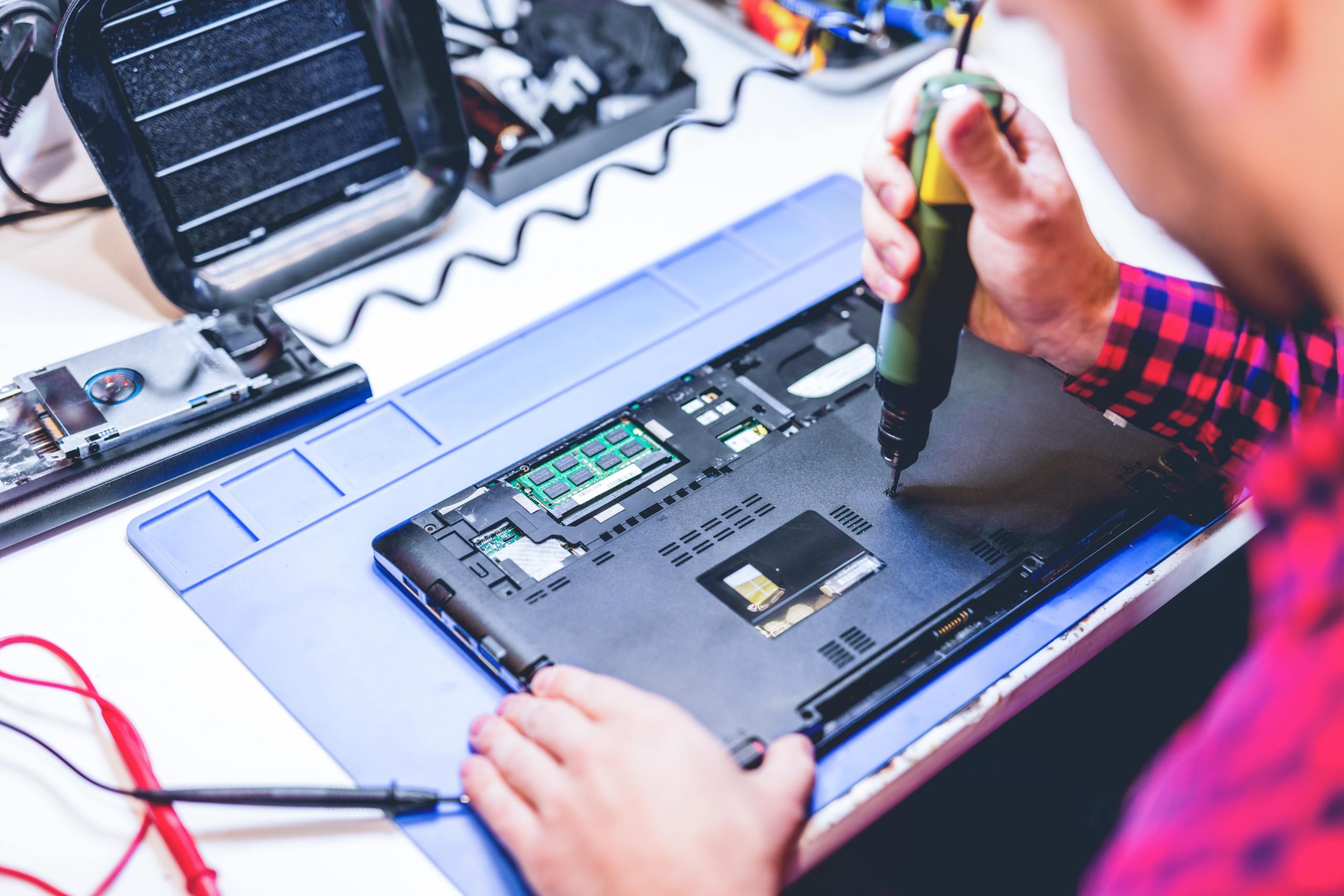
Internal components also benefit from occasional attention. Desktop computers, in particular, should be opened periodically to remove dust from fans and vents. Proper airflow is essential for temperature regulation, and blocked vents can cause components to overheat. Laptops require special care, as blocked ventilation and surface debris can affect cooling efficiency.
From a broader perspective, these practices align with practical computer care and maintenance habits that focus on prevention rather than repair. Physical protection, such as using protective cases, surge protectors, and stable work surfaces, further reduces the risk of damage. Simple measures taken consistently can significantly extend a computer’s usable life and maintain reliable performance.
Managing Software Updates and System Performance
Software maintenance plays a critical role in computer health. Operating systems and applications receive updates that fix bugs, improve performance, and address security vulnerabilities. Ignoring these updates can leave systems exposed to errors and potential threats. Scheduling regular updates ensures the computer runs efficiently and remains protected against known issues.
Performance management also involves monitoring startup programs and background processes. Too many applications running simultaneously can slow down system responsiveness. Removing unnecessary software and disabling unused startup programs helps free system resources. Disk cleanup tools and storage optimization further improve speed by eliminating temporary files and clutter.
These steps support smart digital device upkeep strategies, ensuring that the computer remains responsive and efficient. Software care is not a one-time task but an ongoing process. When users stay proactive with updates and system management, they reduce the likelihood of crashes, freezes, and performance degradation over time.
Protecting Data Through Backups and Security Measures
Data protection is a vital component of personal computer care. Files such as documents, photos, and work projects are often irreplaceable, making backups essential. Regularly backing up data to external drives or secure cloud storage protects against accidental deletion, hardware failure, or cyber threats. Automated backup solutions simplify this process and reduce the risk of forgetting.
Security measures are equally important. Installing reputable antivirus software, enabling firewalls, and using strong passwords help safeguard personal information. Phishing attacks and malware can compromise sensitive data if proper precautions are not taken. Awareness and regular security scans reduce vulnerability to digital threats.
These practices fit naturally into responsible personal technology care, emphasizing both prevention and preparedness. A well-protected computer not only performs better but also provides peace of mind. By prioritizing backups and security, users ensure their data remains safe regardless of unexpected events.
Optimizing Usage Habits for Better Longevity
How a computer is used daily has a significant impact on its longevity. Avoiding overheating by using computers on hard, flat surfaces improves ventilation. Shutting down or restarting systems periodically clears memory and prevents long-term performance issues. Proper shutdown procedures also reduce the risk of file corruption.
Battery care is particularly important for laptops. Avoiding constant overcharging and allowing occasional full discharge cycles helps maintain battery health. Adjusting screen brightness and power settings conserves energy and reduces wear on components. These small habits contribute to long-term efficiency.
Viewed through the lens of everyday care practices for personal devices, usage optimization is about consistency rather than complexity. Thoughtful daily habits reduce strain on hardware and software alike. Over time, these practices help computers operate smoothly while minimizing the need for repairs or replacements.
Knowing When to Upgrade or Replace Components
Even with excellent care, computers eventually require upgrades to keep pace with modern software demands. Adding more RAM, upgrading storage to solid-state drives, or replacing aging components can significantly improve performance without purchasing a new system. Understanding a computer’s limitations helps users make informed upgrade decisions.
Regular performance evaluations help identify when upgrades are necessary. Slow boot times, frequent crashes, or difficulty running updated applications often indicate hardware limitations rather than software issues. Strategic upgrades extend a computer’s lifespan and improve productivity.
These decisions align with long-term technology care and value preservation, ensuring users get the most out of their investment. Knowing when to upgrade—and when replacement is more practical—prevents unnecessary spending. Thoughtful evaluation ensures computers remain functional, efficient, and relevant as technology evolves.
Conclusion
Taking care of a personal computer is an ongoing responsibility that pays off through improved performance, reliability, and longevity. From physical cleaning and software maintenance to data protection and mindful usage habits, each aspect of care contributes to a healthier system. Proactive attention reduces the risk of unexpected failures and costly repairs while ensuring smoother daily operation. As technology continues to play a central role in everyday life, maintaining computers becomes an essential skill rather than an optional task. When guided by modern approaches to digital care and device longevity, users can confidently protect their systems and data. Consistent care not only preserves functionality but also enhances the overall computing experience, making personal computers dependable tools for years to come.