 0
0
 0
0
Keeping a home free from pests is an essential part of maintaining a clean, comfortable, and healthy living environment. Insects and rodents can cause more than simple annoyance; they may damage property, contaminate food, and pose potential health risks if left unmanaged. Many households experience pest problems at some point, whether seasonal ants, persistent mosquitoes, or unwanted rodents seeking shelter. Effective pest control does not rely on a single solution but rather a combination of prevention, cleanliness, and targeted treatment. By understanding why pests enter homes and how they thrive, homeowners can take proactive steps to reduce infestations before they escalate. This guide explores practical, responsible ways to control pests using a balanced approach that prioritizes safety, long-term effectiveness, and sustainability. With consistent habits and informed strategies, it is possible to protect the home while minimizing disruption to daily life.
Identifying Common Household Pests and Their Entry Points
The first step in controlling pests at home is identifying what types of pests are present and how they enter the living space. Common household pests include ants, cockroaches, mosquitoes, flies, termites, and rodents. Each pest is attracted by specific conditions such as food availability, moisture, warmth, or shelter. Understanding these preferences helps homeowners target the root of the problem rather than just the visible symptoms.
Entry points are often small and easy to overlook. Cracks in walls, gaps around doors and windows, vents, drains, and utility openings provide easy access for insects and rodents. Kitchens and bathrooms are particularly vulnerable due to moisture and food residues. Even pet food bowls and trash bins can unintentionally attract pests if not properly managed.
This awareness supports effective home pest control and prevention methods by shifting focus toward early intervention. When homeowners regularly inspect entry points and address vulnerabilities, they significantly reduce the likelihood of infestations. Identifying pests early also helps determine the most appropriate control strategies, preventing unnecessary or excessive treatments.
Maintaining Cleanliness to Reduce Pest Attraction
Cleanliness is one of the most powerful tools in pest control. Pests are primarily drawn to food, water, and shelter, all of which can be minimized through proper household hygiene. Regularly cleaning kitchens, wiping down surfaces, and promptly washing dishes prevent food residues from accumulating. Floors should be swept frequently to remove crumbs that attract insects.
Proper waste management is equally important. Trash bins should be sealed tightly and emptied regularly. Recycling containers must be rinsed before storage to eliminate lingering odors. In addition, pet feeding areas should be cleaned daily, as leftover food can quickly attract ants or rodents.
These habits reinforce preventive pest management practices for homes, emphasizing consistency over reactive measures. Cleanliness alone may not eliminate all pests, but it dramatically reduces the conditions that allow them to thrive. When combined with other control strategies, maintaining a clean environment forms the foundation of long-term pest prevention.
Using Natural and Non-Toxic Pest Control Solutions
Many homeowners prefer natural pest control methods to reduce exposure to harsh chemicals. Natural solutions such as vinegar sprays, essential oils, diatomaceous earth, and herbal repellents can be effective for managing minor pest issues. For example, peppermint oil deters ants and spiders, while citronella helps repel mosquitoes.
Physical barriers also play a role in non-toxic pest control. Installing screens on windows, sealing cracks with caulk, and using door sweeps prevent pests from entering in the first place. Traps designed for humane rodent control allow removal without harmful chemicals, making them suitable for households with children or pets.
These approaches align with eco-friendly pest control strategies, which prioritize safety and environmental responsibility. While natural methods may require more frequent application than chemical treatments, they offer peace of mind and long-term sustainability. When used consistently, non-toxic solutions effectively complement preventive measures.
Applying Targeted Treatments When Necessary
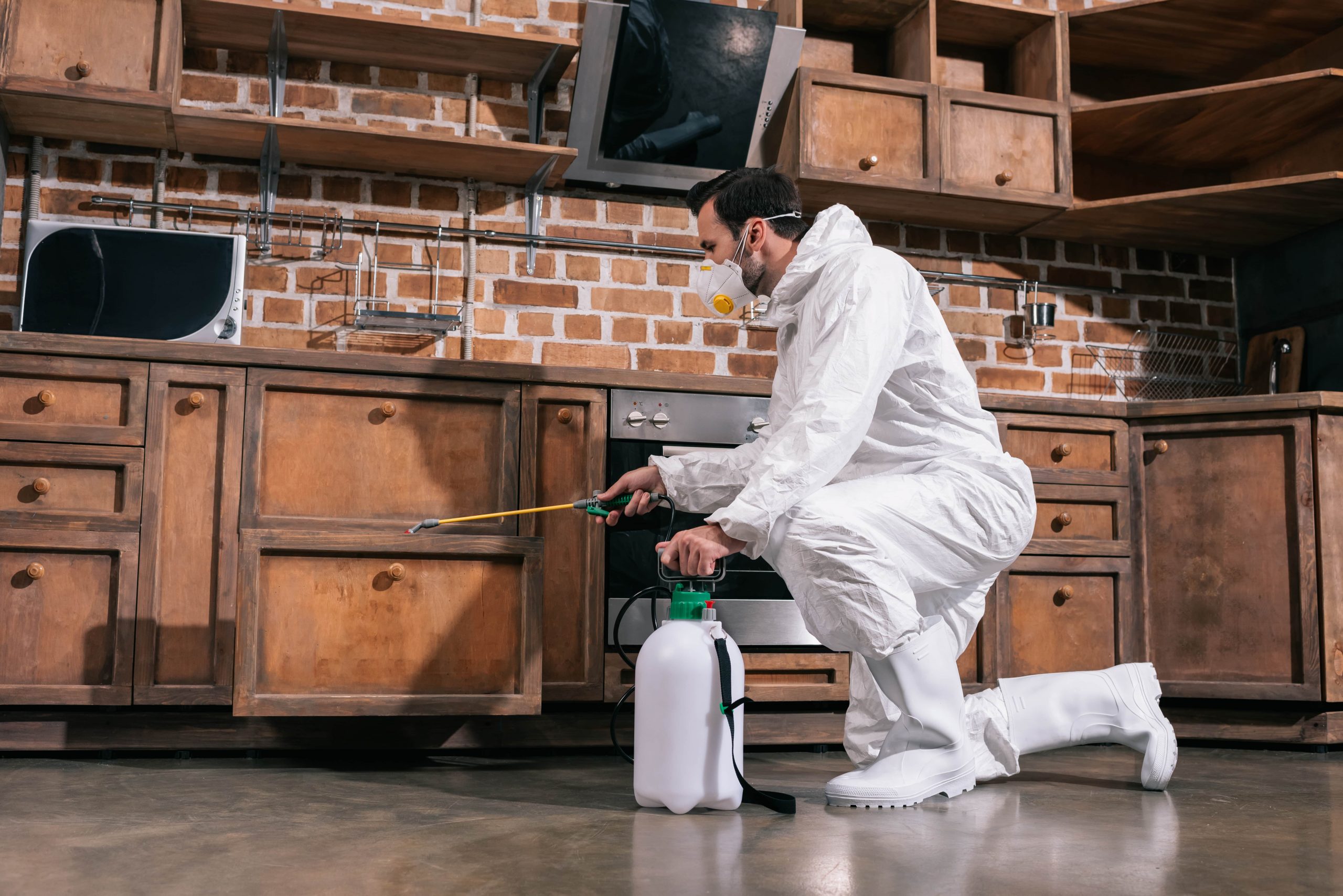
Despite preventive efforts, some pest problems require targeted intervention. In such cases, using pest control products responsibly is crucial. Spot treatments, bait stations, and localized sprays are more effective and safer than widespread chemical application. Targeting specific areas where pests are active reduces exposure and improves results.
Understanding product labels and instructions ensures proper use. Overuse of chemicals can harm indoor air quality and may cause pests to develop resistance. Choosing products designed for specific pests increases effectiveness while minimizing unnecessary impact on the household environment.
This approach supports balanced pest control solutions for residential spaces, focusing on precision rather than excess. When treatments are applied thoughtfully and sparingly, they resolve infestations without compromising safety. Responsible use ensures pest control remains a supportive measure rather than a disruptive one.
Establishing Long-Term Pest Prevention Habits
Long-term pest control depends on consistent habits rather than one-time solutions. Regular home inspections help detect early signs of infestation, such as droppings, nests, or structural damage. Addressing moisture issues, such as leaky pipes or poor ventilation, removes one of the primary factors that attract pests.
Outdoor maintenance also plays a role. Trimming vegetation away from the house, removing standing water, and storing firewood away from walls reduce exterior pest activity. Seasonal adjustments, such as increased inspections during warmer months, further strengthen prevention efforts.
These practices reflect sustainable home care routines, reinforcing that pest control is an ongoing process. Establishing routine habits minimizes future infestations and reduces reliance on treatments. A proactive mindset ensures the home remains protected throughout the year.
Conclusion
Controlling pests in the home requires a thoughtful combination of awareness, prevention, and responsible action. By identifying common pests, maintaining cleanliness, using natural solutions, applying targeted treatments, and establishing long-term habits, homeowners can effectively manage pest issues without unnecessary risk. Pest control is most successful when it focuses on prevention rather than reaction, addressing the conditions that allow pests to thrive. Consistency and informed choices make a significant difference in maintaining a safe and comfortable living environment. When guided by practical solutions for a healthier living space, pest control becomes a manageable and sustainable part of home care. With the right strategies in place, households can enjoy peace of mind knowing their home is protected year-round.