 0
0
 0
0
Stretch marks are a common skin concern that affects people of all ages, genders, and body types. They often appear as lines or streaks on areas such as the abdomen, thighs, hips, arms, and breasts, usually following periods of rapid body changes. Weight fluctuations, pregnancy, puberty, and muscle growth are among the most common causes. While stretch marks are completely harmless, many people seek ways to reduce their appearance for cosmetic and confidence-related reasons. Over time, these marks may fade naturally, but proactive care can help improve skin texture and tone more effectively. Understanding why stretch marks form and how the skin responds to treatment is the first step toward managing them. With consistent care, the right ingredients, and healthy habits, it is possible to visibly reduce stretch marks and support overall skin health
Understanding What Causes Stretch Marks
Stretch marks develop when the skin is stretched beyond its natural elasticity in a short period of time. This rapid stretching causes the collagen and elastin fibers within the skin to tear, resulting in visible lines on the surface. Initially, stretch marks may appear red, purple, or pink due to inflammation and blood vessel activity beneath the skin. Over time, they often fade to lighter shades such as white or silver.
Hormonal changes also play a significant role in stretch mark formation. Cortisol, a hormone produced during stress, can weaken skin fibers, making them more prone to tearing. This is why stretch marks commonly occur during pregnancy, adolescence, or periods of hormonal imbalance. Genetics may also influence how easily a person develops stretch marks and how their skin heals.
Understanding these causes supports a more effective approach to skin care solutions for stretch mark reduction. While stretch marks cannot always be eliminated entirely, targeting skin elasticity and collagen production can significantly improve their appearance. Awareness allows individuals to choose treatments that align with how stretch marks actually form.
Natural Remedies That Help Fade Stretch Marks
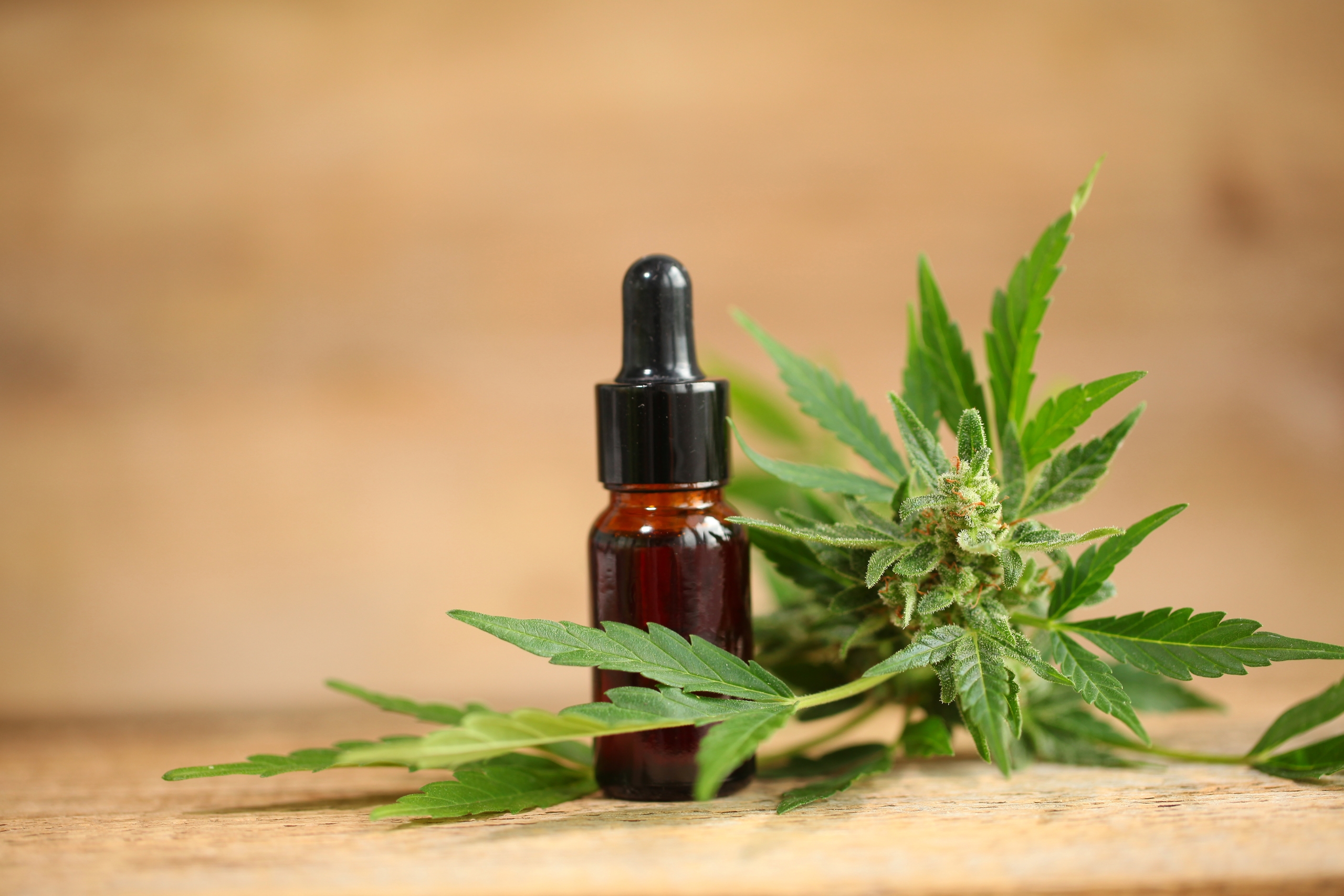
Natural remedies are often the first option people explore when addressing stretch marks. Ingredients such as aloe vera, coconut oil, shea butter, and almond oil are widely used for their moisturizing and skin-repairing properties. Regular application helps keep the skin hydrated, which improves elasticity and supports healing over time.
Massage plays an important role in maximizing the effectiveness of natural remedies. Gently massaging oils or creams into affected areas increases blood circulation, encouraging skin regeneration. Consistency is key—natural treatments typically require weeks or months of daily use before visible improvement occurs.
These approaches fit well within natural methods for improving skin texture, especially for those seeking gentle and affordable solutions. While results vary depending on skin type and stretch mark severity, natural remedies can help soften the appearance of marks and improve overall skin smoothness when used consistently.
Medical and Dermatological Treatment Options
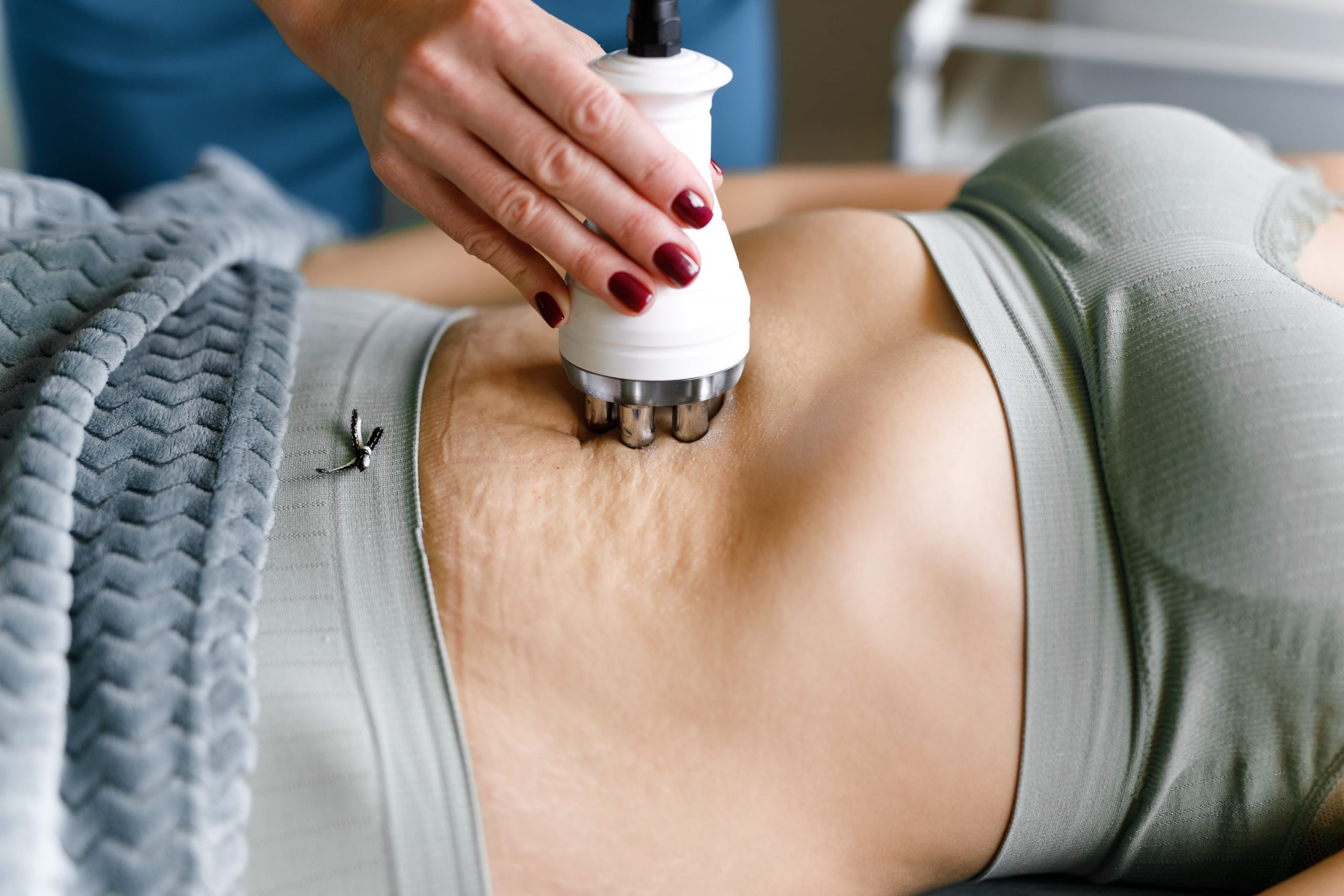
For individuals seeking more noticeable results, medical and dermatological treatments offer advanced solutions. Procedures such as laser therapy, microdermabrasion, microneedling, and chemical peels are commonly used to stimulate collagen production and improve skin texture. These treatments work by encouraging the skin’s natural repair process.
Laser therapy is particularly effective for newer stretch marks, as it targets pigmentation and boosts collagen synthesis. Microneedling creates controlled micro-injuries that prompt skin regeneration, making it useful for both newer and older marks. Results often require multiple sessions and professional supervision.
These treatments are part of advanced skin rejuvenation techniques, offering faster and more visible outcomes than home remedies. However, they may involve higher costs and recovery time. Consulting a qualified dermatologist helps determine the most suitable option based on skin type, budget, and desired results.
Lifestyle Habits That Support Skin Healing
Healthy lifestyle habits play a critical role in reducing the appearance of stretch marks. Proper hydration keeps the skin supple and resilient, making it more responsive to treatments. Drinking enough water daily supports skin elasticity and overall health.
Nutrition is equally important. Diets rich in vitamins A, C, and E, along with zinc and protein, help support collagen production and skin repair. Regular exercise improves circulation, delivering oxygen and nutrients to skin cells more efficiently. Maintaining a stable weight also reduces further stretching of the skin.
These habits align with holistic approaches to body skin care, reinforcing that external treatments work best when supported internally. While lifestyle changes alone may not erase stretch marks, they significantly enhance the effectiveness of other treatments and promote long-term skin health.
Managing Expectations and Embracing Skin Confidence
It’s important to approach stretch mark treatment with realistic expectations. Stretch marks are a form of scarring, and complete removal is not always possible. However, with the right combination of treatments and care, their appearance can be significantly reduced, making them less noticeable over time.
Embracing patience is essential. Skin regeneration is a gradual process, and improvements often happen slowly. Tracking progress through photos rather than daily observation helps maintain motivation. At the same time, developing a positive relationship with one’s body supports emotional well-being.
This mindset complements modern beauty and skin wellness perspectives, which emphasize self-care over perfection. Reducing stretch marks can be a personal choice, but confidence ultimately comes from acceptance as well as care. Combining treatment with self-compassion leads to the most satisfying outcomes.
Conclusion
Removing body stretch marks requires a balanced approach that combines understanding, consistency, and realistic expectations. From natural remedies and lifestyle changes to advanced dermatological treatments, there are multiple ways to reduce their appearance and improve skin texture. Stretch marks are a natural response to body changes, and addressing them is as much about skin health as it is about confidence. When supported by progressive approaches to skin health and beauty care, individuals can choose methods that align with their needs, budget, and comfort level. With patience and proper care, stretch marks can fade over time, allowing the skin to look healthier and more even while promoting a positive and confident self-image.