 0
0
 0
0
Cleaning technology has advanced rapidly in recent years, transforming how homes and commercial spaces maintain hygiene and efficiency. Traditional cleaning methods, while effective, often require significant time, physical effort, and repeated labor. Modern innovations now focus on automation, smart integration, and improved sanitation, making cleaning faster, safer, and more precise. From intelligent devices that operate independently to systems designed to eliminate germs at a microscopic level, technology has redefined cleanliness standards. These advancements not only improve convenience but also contribute to healthier living environments. As smart homes and sustainable living become more common, cleaning technology continues to evolve to meet modern expectations. Understanding the latest tools and systems helps homeowners make informed decisions that enhance daily routines while reducing workload and long-term maintenance challenges.
Smart Robotic Cleaners and Autonomous Devices
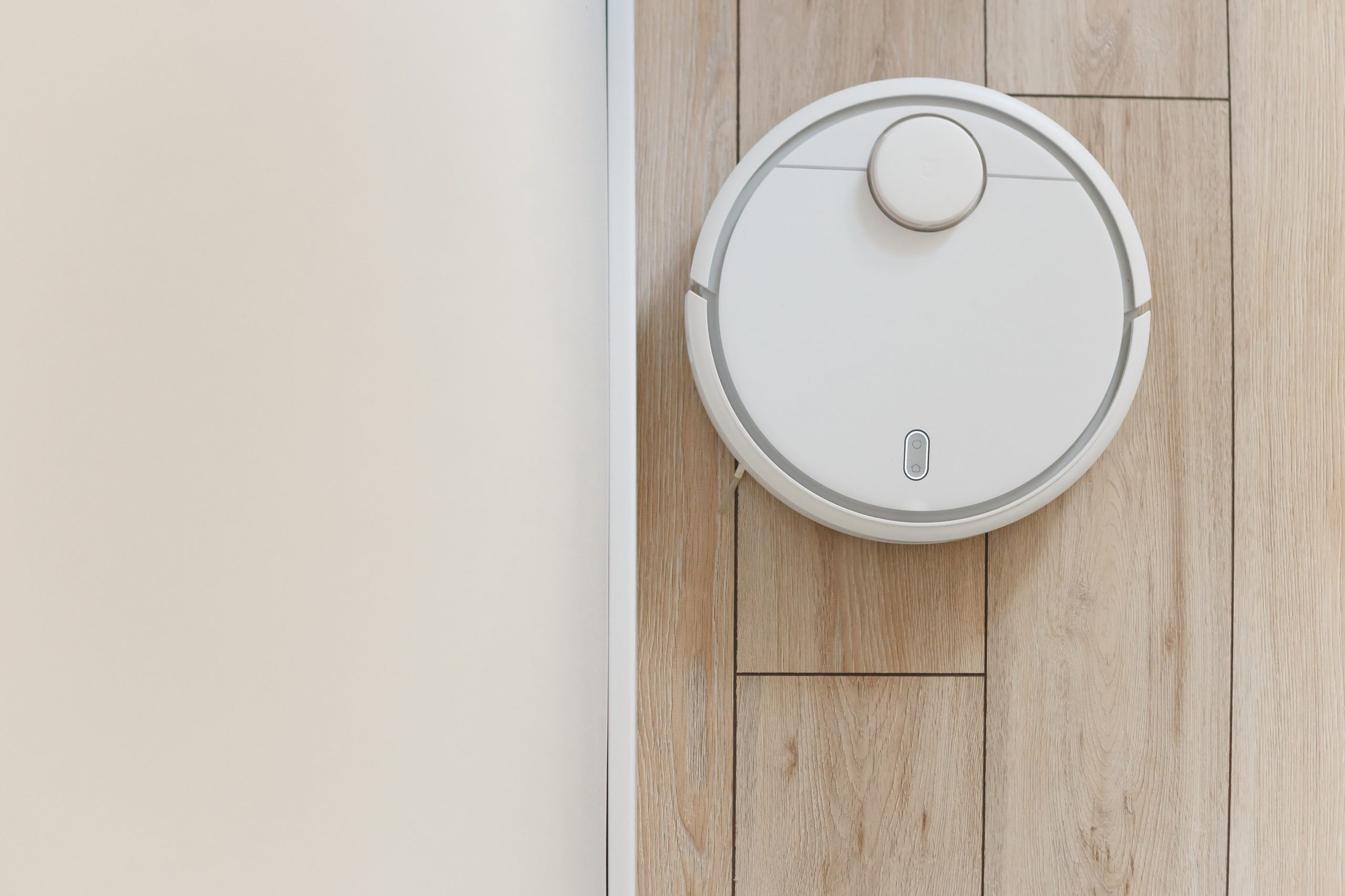
Robotic cleaning devices are among the most notable advancements in modern cleaning technology. Smart robot vacuums and mops use sensors, cameras, and mapping software to navigate living spaces efficiently. These devices detect obstacles, avoid falls, and adapt to different floor types without manual intervention. Many models can be scheduled or controlled remotely through smartphone applications.
Advanced robotic cleaners also use artificial intelligence to learn room layouts and optimize cleaning patterns over time. Some devices automatically return to charging stations or empty their dust bins independently. This level of automation allows consistent cleaning with minimal effort from users.
These innovations represent modern home cleaning technology solutions, offering convenience and efficiency for busy households. Autonomous devices reduce daily maintenance tasks while maintaining consistent cleanliness. As technology improves, robotic cleaners continue to become more accurate, powerful, and accessible.
Smart Vacuum Systems and Advanced Filtration
Vacuum technology has evolved far beyond basic suction power. Modern vacuums now feature smart sensors that adjust suction based on surface type, ensuring optimal performance on carpets, hardwood floors, and tiles. Cordless designs with long-lasting batteries improve mobility and ease of use.
Advanced filtration systems are another major improvement. High-efficiency particulate air (HEPA) filters trap fine dust, allergens, and pollutants, making these vacuums especially beneficial for households with allergies or pets. Some models also include self-cleaning filters and real-time performance monitoring.
These developments align with innovative cleaning systems for healthier homes, emphasizing both cleanliness and indoor air quality. Smart vacuum systems combine power, precision, and filtration to deliver deeper, more effective cleaning. As awareness of air quality grows, advanced vacuum technology continues to gain importance.
Steam Cleaning and Chemical-Free Sanitation
Steam cleaning technology has gained popularity for its ability to sanitize surfaces without harsh chemicals. High-temperature steam effectively removes dirt, grease, and bacteria from floors, upholstery, and hard surfaces. This method is particularly useful for households seeking eco-friendly and child-safe cleaning solutions.
Modern steam cleaners are designed for versatility, offering attachments for multiple surfaces such as tiles, grout, curtains, and kitchen appliances. Improved heating systems allow faster startup times and consistent steam output, enhancing efficiency and ease of use.
Steam cleaning reflects eco-conscious cleaning innovations, reducing reliance on chemical cleaners while maintaining high sanitation standards. By harnessing heat and moisture, steam technology provides a powerful yet environmentally responsible cleaning solution. Its effectiveness continues to drive adoption in residential and commercial settings.
UV and Electrostatic Cleaning Technologies
Ultraviolet (UV) and electrostatic cleaning technologies have emerged as advanced sanitation tools, especially in environments requiring high hygiene standards. UV-C light disrupts the DNA of bacteria and viruses, reducing microbial presence on surfaces. Portable UV devices are now used in homes for disinfecting frequently touched areas.
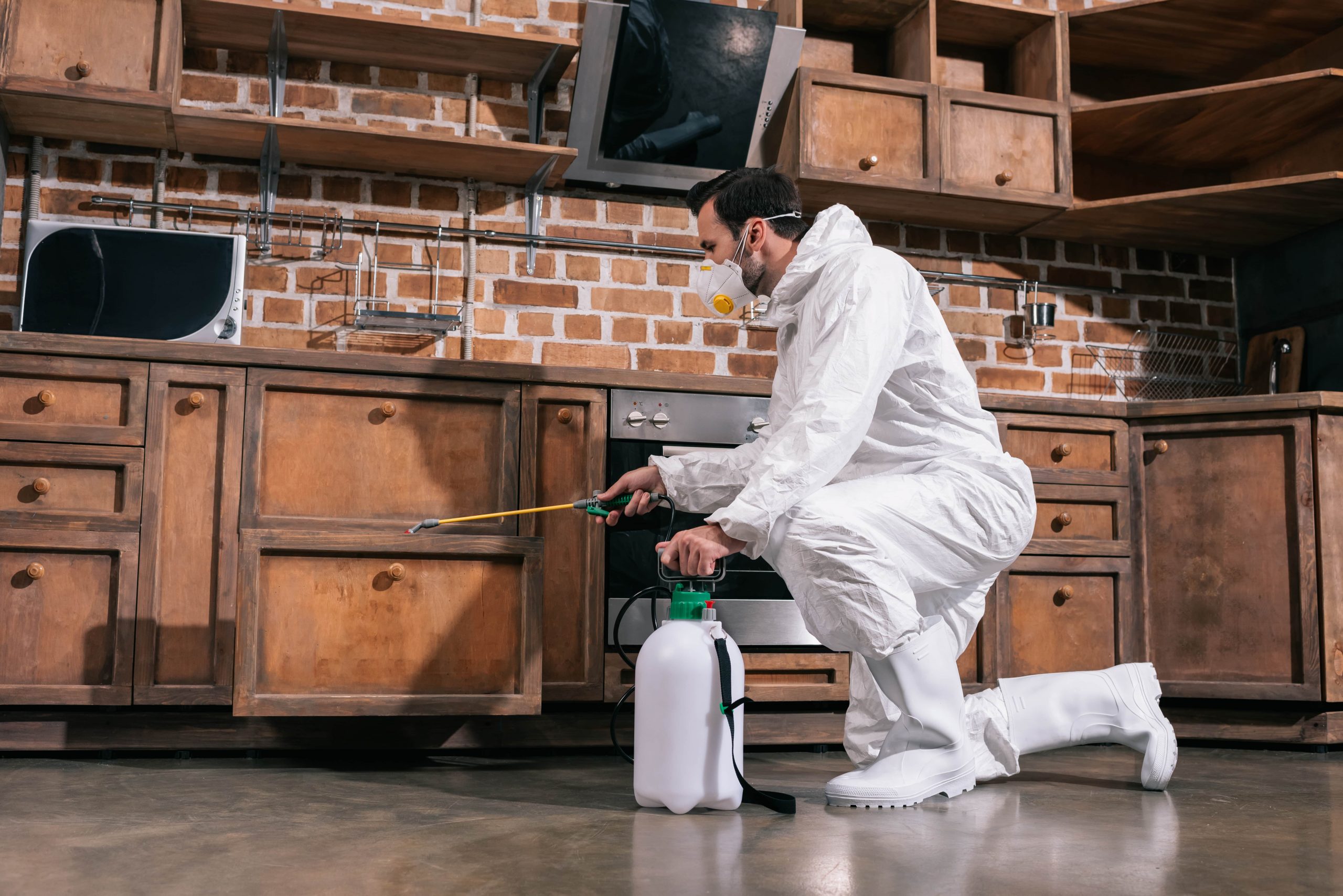
Electrostatic sprayers use electrically charged disinfectants to coat surfaces evenly, ensuring thorough coverage. This technology is commonly used in healthcare and commercial environments but is increasingly available for residential use as well.
These systems represent next-generation sanitation technology, focusing on deep disinfection rather than surface-level cleaning. While often used as supplementary tools, UV and electrostatic technologies enhance overall cleanliness. Their growing availability reflects increased demand for advanced hygiene solutions.
Smart Cleaning Apps and Integrated Home Systems
Technology-driven cleaning is no longer limited to hardware alone. Smart applications and home integration systems allow users to manage cleaning schedules, monitor device performance, and receive maintenance alerts. Integration with voice assistants enables hands-free control of cleaning devices.
Some smart home systems synchronize cleaning routines with daily schedules, adjusting operations based on occupancy or environmental conditions. Data tracking features help users identify cleaning patterns and optimize efficiency.
These tools support connected home maintenance solutions, transforming cleaning into a seamless part of smart living. By combining automation with digital control, smart systems reduce effort while improving consistency. Integration continues to shape the future of home cleaning management.
Conclusion
The latest cleaning technology reflects a shift toward smarter, safer, and more efficient solutions. From robotic cleaners and advanced vacuum systems to steam sanitation, UV disinfection, and integrated smart home platforms, modern innovations are redefining how cleanliness is achieved. These technologies reduce manual labor while improving hygiene standards and environmental responsibility. As homes become more connected and lifestyles more demanding, cleaning solutions must adapt to deliver consistent results with minimal effort. When guided by forward-thinking approaches to modern home care, adopting advanced cleaning technology becomes an investment in both comfort and long-term well-being. With continued innovation, cleaning will remain not just a chore, but a streamlined and intelligent part of everyday living.